
- HOME
- ABOUT
- TREATMENTS
- BEFORE AND AFTER
- FAQs
- BLOG
- BOOK AN APPOINTMENT
- CONTACT
Dark spots—commonly referred to as hyperpigmentation—are one of the most frequent concerns I see at Skinology+ Clinic, Chandigarh. Particularly for Indian skin tones, pigmentation issues like melasma, acne scars, and uneven skin tone can be both persistent and frustrating. The good news? With the right understanding and skincare approach, dark spots can be effectively treated and even prevented.
In this guide, I’ll explain the most common causes of facial dark spots, how to prevent them, and the best treatments available to restore your skin’s natural radiance.
Dark spots occur when the skin produces excess melanin, the pigment responsible for skin color. This overproduction can be triggered by several internal and external factors, leading to visible patches or spots on the skin.
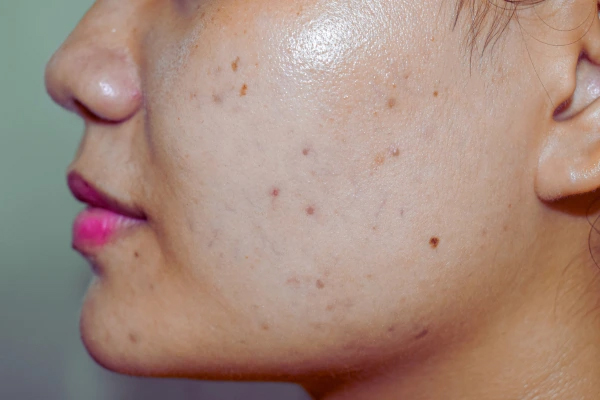
What Happens: Sun exposure is the leading cause of dark spots. When UV rays hit your skin, they stimulate melanin production as a defense mechanism. Over time, this results in sunspots, tanning, and uneven pigmentation.
What Happens: PIH occurs after skin inflammation, such as acne, cuts, or rashes. When the skin heals, it may leave behind dark marks—especially in Indian skin, which is more prone due to increased melanin activity.
What Happens: Melasma appears as symmetrical brown or gray patches, usually on the cheeks, forehead, and upper lip. It’s often triggered by:
What Happens: With age, prolonged sun exposure leads to brown spots known as liver spots or age spots, commonly seen on the face, hands, and neck.
What Happens: Some individuals, especially those with medium to darker skin tones, naturally produce more melanin, making them more prone to pigmentation from sun, acne, or injury.
When at-home care isn't enough, professional treatments at Skinology+ Clinic can offer faster, more visible results:
Dark spots can affect anyone, but they don’t have to be permanent. With a tailored skincare routine, diligent sun protection, and expert treatments, you can reveal a clearer, brighter complexion.
At Skinology+ Clinic, Chandigarh, we provide customized skin consultations and advanced pigmentation solutions designed specifically for Indian skin.
By Dr. Sheenam, Dermatologist, Skinology+ Clinic, Chandigarh
“Dive In, Don’t Dry Out!”
Swimming is a fantastic form of exercise—it builds strength, improves cardiovascular health, and refreshes the mind. But while your body thrives in the water, your skin may tell a different story. At Skinology+ Clinic, we often see swimmers dealing with dryness, irritation, and increased sensitivity due to repeated exposure to chlorinated water.
The good news? With the right skincare routine, you can enjoy your swim sessions and maintain healthy, glowing skin.
Chlorine is essential for keeping pool water clean, but it’s harsh on the skin. It strips away natural oils (sebum) that protect and hydrate your skin, resulting in:
Protecting your skin starts before you jump in:
Hydrate From Within Drink water throughout the day. Well-hydrated skin is more resilient to external stressors.
Apply a Moisture Barrier Use a thick, emollient moisturizer or a swimmer-specific lotion containing petrolatum, dimethicone, or mineral oil. This forms a physical shield against chlorine. Apply 15–20 minutes before swimming.
Shower First Rinse off with fresh water before entering the pool. Damp skin absorbs less chlorinated water—think of it as a sponge that's already full.
Your after-swim care is crucial in repairing and restoring the skin’s barrier:
Rinse Immediately Shower with lukewarm water using a gentle, fragrance-free cleanser to wash off chlorine. Avoid hot water and harsh scrubs.
Use a Hydrating Cleanser Choose formulas with glycerin, ceramides, or hyaluronic acid to cleanse without drying your skin further.
Moisturize While Damp Seal in hydration with a rich moisturizer. Look for shea butter, ceramides, hyaluronic acid, or natural oils for deep nourishment.
Add Antioxidants Topical Vitamin C or E serums help fight free radical damage from chlorine and sun exposure.
Don’t Skip Sunscreen Swimming outdoors? Always apply a broad-spectrum, water-resistant sunscreen (SPF 50+) at least 15–20 minutes before going outside—even on cloudy days. Chlorine makes your skin more sun-sensitive.
Consistency is key to healthy skin—especially if you swim regularly.
Gentle Exfoliation (1–2x/Week) Use mild chemical exfoliants like AHAs or BHAs to remove dry, dead skin. Avoid harsh scrubs that can worsen irritation.
Weekly Hydrating Masks or Overnight Creams Give your skin an intensive moisture boost with hydrating masks or overnight treatments once or twice a week.
Watch and Adjust Monitor how your skin reacts. If dryness, flakiness, or irritation persists, consult a dermatologist for a tailored regimen.
Stay Hydrated Every Day Internal hydration is just as important. Keep drinking plenty of water throughout the day to support skin function.
You don’t need to choose between your love of swimming and healthy skin. With a well-structured skincare routine and a bit of pre- and post-swim care, you can enjoy the water without worrying about dryness or irritation.
At Skinology+ Clinic, Chandigarh, we offer expert advice and personalized skincare plans for swimmers and other active lifestyles. Whether you're dealing with chronic dryness or sensitivity from frequent pool sessions, we’re here to help you protect and nourish your skin.
Dive in with confidence—because your skin deserves to feel as good as you do after a swim!
Please fill up the Form below so that we can get
in touch with you at the earliest.

Call us:
+91-90416-25252
Visit Clinic:
Skinology+ (Skin, Hair, Laser & Anti-aging Clinic) by Dr Sheenam
SCO 1130-1131, Sector 22-B
Chandigarh
Email:
drsheenamskinclinic@gmail.com